With fossil gas supplies in terminal decline and electricity demand rising, the country faces increasing energy costs, business closures and job losses. Advancing the installation of heat pumps would save up to $1.5 billion for households and free up energy for high value industrial use
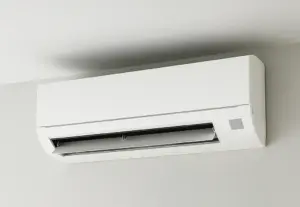
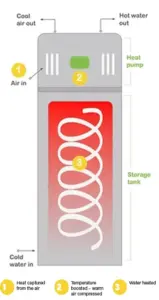
Heat pump water heaters don’t generate heat – they move it. This makes them incredibly efficient. For every one unit of electricity they use, they can produce three to four units of heat.
A report from the New Zealand Green Building Council shows that accelerating heat pump adoption could help ease pressure on the energy system, cut costs, and help keep Kiwi businesses open.
Replacing gas and inefficient electric heaters with heat pumps could save up to 48 Petajoules of gas annually — nearly 40 percent of current production — and deliver net electricity savings of up to 4,000 GWh per year, enough to power over half a million homes. It would also save New Zealand households up to $1.5 billion a year on energy bills.
The report is supported by Consumer NZ, Common Grace Aotearoa, Major Electricity Users’ Group, Octopus Energy, Simplicity, and Wood Processors and Manufacturers Association, and was developed with input from industry experts.
It recommends expanded insulation and retrofit programmes, phasing out gas heating systems and new gas connections, stronger energy efficiency standards and subsidies for heat pumps and hot water heat pumps.
“These measures would free up energy for high-value industrial uses and help avoid further closures,” says Green Building Council Chief Executive Andrew Eagles. “It is what other OECD countries are doing. It’s a win-win—and the time to act is now.”
“The closure of three mills by Winstone Pulp International and Oji Fibre Solutions due to soaring energy prices should be a wake-up call,” says Eagles.
“These businesses are major contributors to our economy, providing jobs, exports and revenue for government and local communities.”
Many countries offer incentives to homeowners and landlords to install hot water heat pumps -– but not in New Zealand.
“We’re still connecting thousands of new buildings to gas each year, even as supply runs out. This report shows we can turn it around by using readily available, viable alternatives that reduce demand, lower bills, and help protect jobs,”
Businesses would also benefit from more certainty around energy supply, reduced operating costs and a better chance of staying competitive.
“It’s not just about technology, it’s about resilience,” says Eagles. “This simple step gives businesses more certainty, helps families with rising costs, and supports a more secure energy future.”
Hot water heat pumps
Bold action is needed to accelerate New Zealand’s transition to cleaner, more energy-efficient homes and businesses, reckons Ecobulb managing director Dr Chris Marden.
“Two ways are subsidising hot water heat pumps through the Warmer Kiwi Homes initiative and helping homeowners improve energy efficiency through a Ratings Assistance Scheme,” he says.
“Hot water heat pumps are among the most efficient technologies available for residential and commercial water heating. By using electricity to transfer heat rather than generate it directly, these systems can reduce energy use by up to 75 percent compared to traditional electric or gas water heaters,” Dr Marden claims.
“Many countries offer incentives to homeowners and landlords to install hot water heat pumps – but not in New Zealand.
“Consequently, hardly any New Zealand homes and businesses have hot water heat pumps, with most using less efficient electric element or gas water heaters. Hot water heat pumps are more efficient but they are also currently more expensive, so their installation needs to be encouraged.
“To make heat pumps and hot water heat pumps more accessible, subsidies should be offered to both homes and businesses — mirroring successful programmes in Canada, the US, Europe, and Victoria, Australia. These incentives could be delivered through the Warmer Kiwi Homes programme,” Mardon says.
“Another method is the proposed Ratepayer Assistance Scheme (RAS), which allows ratepayers to borrow money to install energy efficient appliances such as hot water heat pumps, with repayments made over time through rates bills. A RAS is under development but requires enabling legislation.”