New Zealand’s residential construction industry contributes roughly $26 billion annually to the economy and employs around 70,000 workers. Despite its significance, the sector’s productivity levels have flatlined since the mid-1980s driven by a culture of “build now fix later”, says Construction Industry Consultant, Auckland University of Technology Mark Kirby in the latest issue of the The Conversation. “It not just a problem confined to residential housing,” says Infrastructure publisher Mike Bishara.
In an article on the partisan threat to the National Infrastructure Plan Priorities in an election year Bishara points to the the comparison in the report with infrastructure projects where investment per capita is among the top 10 percent in the OECD, about $4500 for every person in the country.
“Because of chronic low productivity we are in the bottom 10 percent when it comes to getting true value for that money,” he says.
“Successive governments not following their own rules doesn’t help,” says Bishara. “Half of all proposals do not have a business case to show they are ready to fund — our regulatory system is overbearing.
“We have 1175 land use zones and 68 territorial authorities. Japan, by comparison, has 13,” he says.
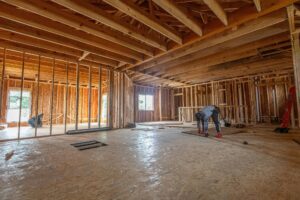
In housing construction says Kirby, “productivity” isn’t a simple measure of output per worker; it refers to the industry’s ability to deliver the right quantity of high-quality homes without significant delays or flaws.
“If a builder spends 10 hours rectifying avoidable mistakes, for instance, their productivity for the day is effectively zero. And this has become all too common within the sector,” he says.
Recognising the productivity problem, the government last year introduced major reforms aimed at speeding up consent processes and allocating financial liability for defective buildings to those responsible, says Kirby
Analysis carried out for BRANZ by the New Zealand Institute for Economic Research had estimated the annual cost of defective building to the overall economy:
The results showed that economy-wide effects of an increase in productivity would see New Zealand’s GDP rise by $2.5 billion, as the industry’s overall costs of production decrease, says Kirby.
“That means [at the moment]nearly 10 percent of the sector’s total value is lost to systemic quality failure. Based on the average construction cost of an Auckland house, that loss represents around 5,000 missing homes every year,” says Kirby.
Fixing an annual $2.5 billion problem requires a structural shift. Our research proposes a framework where the state, as the primary funder and driver of major construction, sets the standard the rest of the industry must adopt.
But while poor productivity is often blamed on procurement methods, technology or labour, our research suggests better quality management is key to remedying the industry’s “build now, fix later” culture.